
What Is an ADU? California Types, Rules, and Uses (2026)
An ADU, or accessory dwelling unit, is an attached or detached home on the same lot as a primary residence, with permanent space for living, sleeping, eating, cooking, and sanitation. For California homeowners, the first decision is whether the property fits a detached, attached, conversion, or junior ADU, then which local standards apply in Orange County or Los Angeles County.
What makes an ADU a separate home?
An ADU is a complete, independent dwelling on the same lot as a primary residence. California Government Code Section 66313 defines it as an attached or detached residential unit with permanent provisions for living, sleeping, eating, cooking, and sanitation. A room without the facilities required for independent living is not an ADU under that definition.
Homeowners also call an ADU a granny flat, in-law suite, casita, backyard cottage, or second unit. The name changes, but the approval question stays the same: does the proposed space meet the state definition and the applicable local standards? Read the California ADU laws guide before treating any nickname as a permit category.
L Square Design & Build (CSLB #1095476) designs, permits and builds ADUs and junior ADUs across Orange County and Los Angeles County. For a free estimate on your property, call (949) 374-7980, or start with what an ADU costs in Orange County and ADU rules by city.
Which type of ADU fits the property?
California HCD describes three general forms: a detached unit separated from the primary structure, an attached unit connected to it, and repurposed space such as a converted garage or room. A junior ADU, or JADU, is a separate statutory category with tighter size and location rules. The property layout, existing structure, utilities, and local objective standards determine which path is practical.
A homeowner in Orange County or Los Angeles County should start with the property's existing conditions. A detached unit needs a viable building area. An attached unit shares part of the main structure. A conversion begins with an existing garage or other eligible space. Each option deserves a different site and permit review.
| Type | Where it is located | First planning question |
|---|---|---|
| Detached ADU | Separate from the primary home on the same lot | Is there a buildable area that meets applicable local standards? |
| Attached ADU | Connected to the primary home | How will the addition fit the existing structure and local standards? |
| Garage conversion ADU | Within an existing garage or other eligible structure | Can the existing space be converted under the applicable code and permit path? |
| Above-garage ADU | Above or attached to a garage | Can the existing structure support the proposed living space and approvals? |
| Junior ADU | Entirely within a single-family residence | Does the proposed space meet the JADU definition and its separate rules? |
How is a JADU different from an ADU?
A JADU is not simply a small ADU. Government Code Section 66313 defines a JADU as no more than 500 square feet of interior livable space, contained entirely within a single-family residence. It may have separate sanitation facilities or share them with the existing structure.
A standard ADU can be attached, detached, or created from eligible converted space. A JADU stays within the single-family residence and has its own rules. Compare the two before choosing a layout, then review the Junior ADU guide for the current state-law framework.
What California rules apply before local review?
State law sets limits on how local agencies may regulate ADUs, while local agencies still apply objective standards and building requirements. Section 66314 allows objective standards for matters such as parking, height, setbacks, landscape, architectural review, and maximum unit size. It also says a local ordinance may not impose a minimum lot-size requirement for an ADU.
For an existing primary dwelling, Section 66314 limits an attached ADU to no more than 50 percent of the existing primary dwelling's floor area. The same section limits a detached ADU to 1,200 square feet and sets rules for side and rear setbacks, existing structures, and conversions. A property-specific review is still necessary because state law and local standards work together.
What can your lot allow?
Send your address for a site-specific ADU feasibility review and estimate.
How large can an ADU be in California?
California Government Code Section 66321 prevents a local ordinance from setting a maximum below 850 square feet of interior livable space, or 1,000 square feet for an ADU with more than one bedroom. It also protects a pathway for an ADU with at least 800 square feet of interior livable space and four-foot side and rear setbacks when the unit complies with the other applicable local development standards.
Those are statewide protections, not a substitute for checking the parcel. Lot shape, existing structures, utilities, height standards, and local objective standards still matter. Start with the ADU floor plan guide to compare layouts, then verify the route for the address through the ADU rules by city guide.
Can an ADU be rented or sold separately?
Under Government Code Section 66314, an ADU may generally be rented separately from the primary residence, but it may not be sold or otherwise conveyed separately except as provided in the statute's separate provisions. Rental and ownership questions can also involve a lender, an insurer, an HOA, a lease, and local requirements, so the homeowner should verify the current rule before relying on a general summary.
A permitted ADU can serve family housing, long-term rental housing, a caregiver suite, or a flexible home office and guest space. The use should be decided early because it affects layout, utilities, privacy, parking, and financing. The ADU financing guide explains questions to take to a lender before construction.
What should homeowners verify before designing an ADU?
Verify the property before committing to a plan. The essential checks are the existing home and structures, the likely ADU type, water and sewer conditions, utility routing, applicable local objective standards, and the permit path. A plan that looks suitable on paper can change once the site conditions and agency requirements are reviewed.
L Square Design & Build serves Orange County and Los Angeles County homeowners. A property-specific planning conversation can connect the proposed ADU type with the existing home, the construction sequence, and the permit process. Review the ADU construction checklist, the Orange County permit guide, and the ADU cost guide for Orange County before requesting a scope.
- Confirm whether the project is detached, attached, a conversion, or a JADU.
- Check the existing structure, access, utilities, and usable building area.
- Identify applicable city standards before selecting a final layout.
- Use a written scope and permit path before comparing construction budgets.
- Keep the intended use, privacy needs, and financing plan aligned with the layout.
What does an ADU project look like in practice?
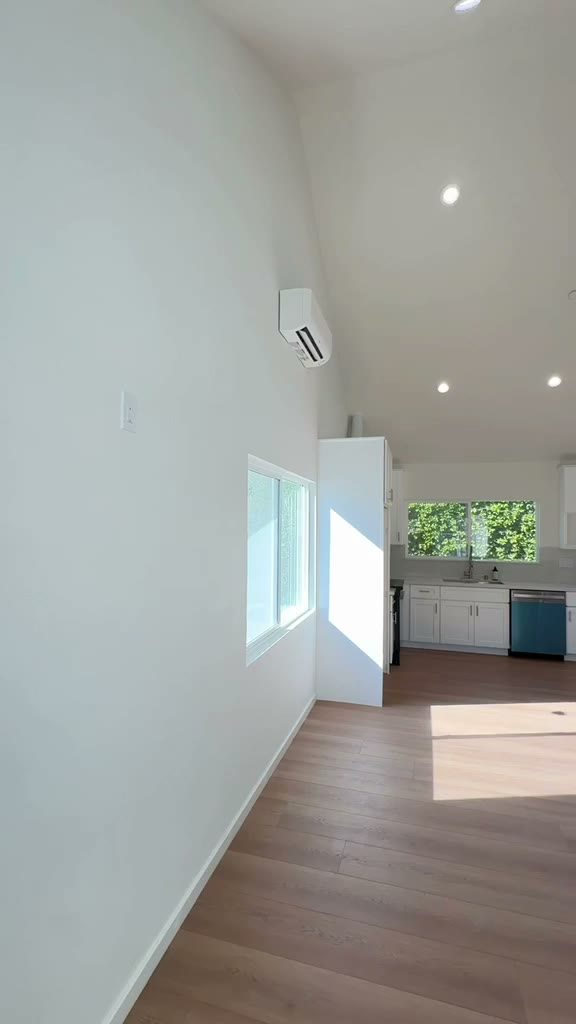
The state definition describes a type of dwelling, but the built result depends on the property and approved scope. L Square's Pasadena walkthrough documents a 700 square foot detached ADU with a vaulted great room, kitchen, bath, and bedroom. The Rosemead walkthrough documents a 1,188 square foot two-story ADU with a living area, kitchen, bathroom, bedroom, and balcony.
These walkthroughs are examples of completed work. Compare Pasadena ADU project details and Rosemead ADU project details with the detached ADU guide and garage conversion guide to narrow the right starting point.
Project evidence
- L Square's Pasadena walkthrough documents a 700 square foot detached ADU with a vaulted great room, kitchen, bathroom, and bedroom. Project evidence
- L Square's Rosemead walkthrough documents a 1,188 square foot two-story ADU with a living area, kitchen, bathroom, bedroom, and balcony. Project evidence
Related L Square guides
Authoritative sources
- California Government Code Section 66313, ADU and JADU definitions — California Legislative Information
- California Government Code Section 66314, ADU approvals and standards — California Legislative Information
- California Government Code Section 66321, ADU size and development standards — California Legislative Information
- Accessory Dwelling Units and Junior Accessory Dwelling Units — California Department of Housing and Community Development
Frequently asked questions
What does ADU stand for?
ADU stands for accessory dwelling unit. Under California Government Code Section 66313, it is an attached or detached residential dwelling on the same lot as a primary residence, with permanent provisions for living, sleeping, eating, cooking, and sanitation.
Is a garage conversion considered an ADU?
A garage conversion can be an ADU when the converted space meets the applicable definition, building requirements, and permit path. Section 66314 addresses ADUs created from existing living areas and accessory structures, including certain conversion and setback rules. Review the property and existing garage before assuming a conversion qualifies.
What is the difference between an ADU and a JADU?
An ADU may be attached, detached, or created from eligible converted space. A JADU is a unit of no more than 500 square feet of interior livable space contained entirely within a single-family residence under Section 66313. The two types have different location, size, and occupancy rules.
Can I rent out my ADU in California?
Government Code Section 66314 generally allows an ADU to be rented separately from the primary residence, while restricting separate sale or conveyance except as otherwise provided by statute. Confirm the current rules for the property, financing, insurance, lease, and local requirements before renting the unit.
Does an ADU need its own address?
Addressing and unit designation are handled by the local agency and service providers. An ADU remains on the same lot as the primary residence under the state definition, so homeowners should confirm mailing, utility, and emergency-service requirements with the city and providers for the specific property.
Is a tiny home on wheels an ADU in California?
Not automatically. California's ADU definition in Section 66313 covers attached or detached residential dwelling units with permanent provisions for independent living on the same lot as a primary residence. A movable unit may involve separate vehicle, manufactured-home, building-code, zoning, and utility questions.
How large can a detached ADU be in California?
For an existing primary dwelling, Section 66314 says the total floor area of a detached ADU shall not exceed 1,200 square feet. Section 66321 also protects minimum statewide size pathways that local ordinances cannot undercut. The address still needs a property-specific review of applicable local standards.
Can I sell an ADU separately from the main house?
Government Code Section 66314 generally says an ADU may not be sold or otherwise conveyed separately from the primary residence, except as provided in Article 4 of that chapter. Ask a qualified real-estate attorney or the local agency about any exception that may apply to a specific property or local program.
Where we build
Talk through your project
L Square Design & Build serves Orange County and Los Angeles homeowners with design, permits, and construction under one roof.
Request a property-specific ADU scope